
 Provider
Retainer Styles for Lasting Smiles
Once your active orthodontic treatment is complete, the retention phase begins. Wearing a retainer as directed helps keep your teeth in their new positions and protect your results.
At Hwang Orthodontics, we offer several types of retainers based on your individual needs:
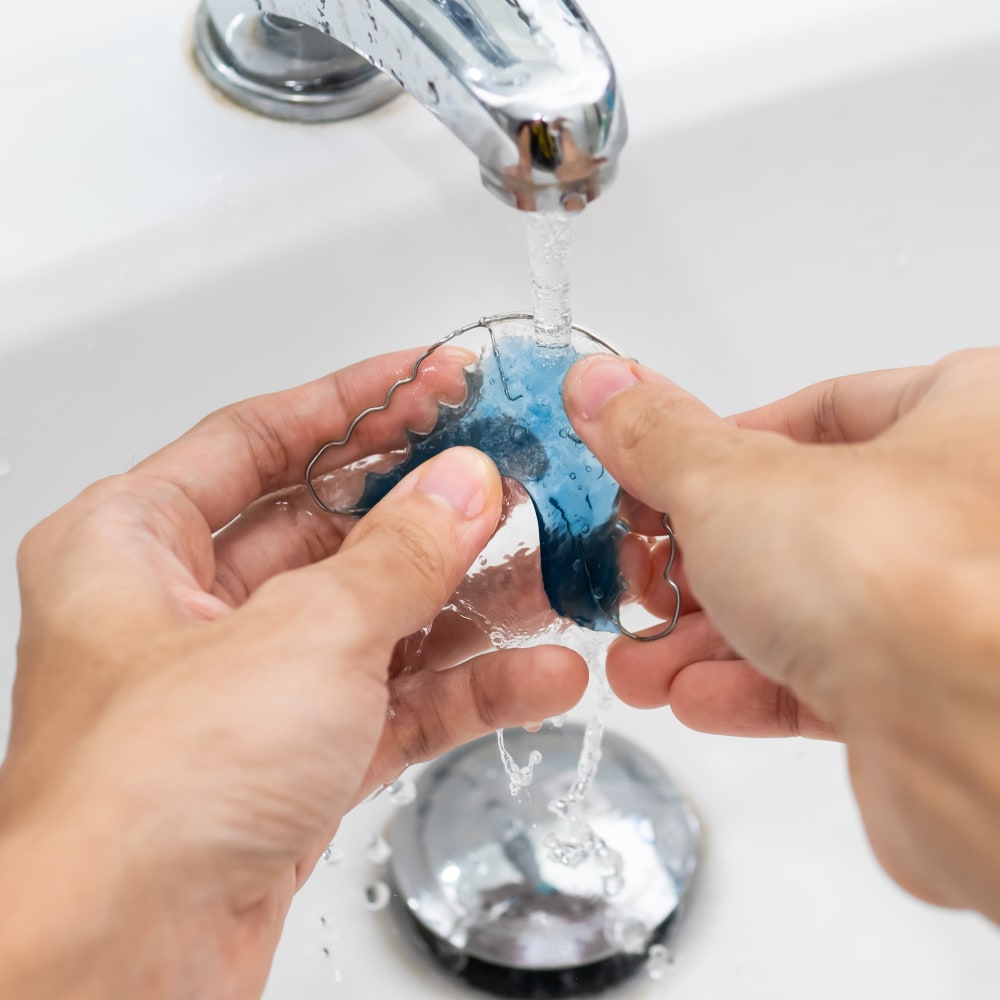
- Removable retainers made with an acrylic base and a metal wire that fits around the teeth.
- Clear, removable retainers that fit closely over your teeth to help maintain their positions.
- Fixed retainers that use a thin wire bonded behind the front teeth to help prevent them from shifting.
Retainers are an important part of maintaining your smile after orthodontic treatment to help make ongoing retention simple.
Flexible Payment Plans & Financing Options
At Hwang Orthodontics, we believe that finances should never be a barrier to essential health care. To help our patients manage the cost of orthodontic treatment, we offer flexible payment plans and convenient financing.
Why You Need a Retainer
After your active orthodontic treatment is complete, your teeth need time to stabilize in their new positions. Wearing a retainer helps protect your results while this process takes place.
During treatment, braces or clear aligners gradually move your teeth and their roots through the surrounding bone. Once treatment is complete, the bone and supporting tissues around your teeth need time to adapt to their new positions.
During this period, your teeth can naturally shift if they aren't properly supported. That's why wearing your retainer as directed is an important part of maintaining your new smile.
Preserving Your Results
Your retainer helps hold your teeth in their new positions as the surrounding bone and tissues stabilize. Continued retainer wear can also help prevent your teeth from shifting over time, protecting the results you've achieved through orthodontic treatment.
Retainer FAQs
Learn some retainer basics by reading these frequently asked questions from our patients.
-
How long do I have to wear my retainer?
Retainers are an important long-term part of maintaining the results of your orthodontic treatment. After braces or Invisalign treatment, your retainer helps keep your teeth in their new positions and reduce unwanted shifting.
Your orthodontist will provide a personalized retainer wear schedule. You may initially need to wear your retainer for most of the day before transitioning to nighttime wear as your teeth become more stable.
Because teeth can naturally shift throughout your life, ongoing retainer wear is generally recommended to help maintain your orthodontic results over time.
-
How often do I have to wear my retainer?
For the first few months of retainer wear after active orthodontic treatment, your orthodontist will instruct you to wear your retainer 24 hours a day, every day. This is because these early months of the retention phase are when your teeth are most likely to relapse (shift back to their pre-treatment positions).
During this time, you'll take your retainer out only to eat, brush and floss your teeth, or play sports (when you'll need to wear a sports mouthguard instead).
Over time, your teeth will settle into their new positions, and your risk of relapse will decrease. When your orthodontist has determined you're ready, you'll be able to start wearing your retainer for fewer hours a day. For many people, this means overnight retainer wear only.
-
How often should I replace my retainer?
With proper care and regular use, a retainer can last for years, although it may eventually need to be replaced. Signs that you may need a new retainer include cracks, chips, or other damage that affects its structure, as well as a retainer that has become loose or no longer fits your teeth properly.
You may also need a replacement if your retainer develops stubborn buildup that can't be removed with regular cleaning. If you notice changes in the fit, condition, or cleanliness of your retainer, contact your orthodontist so they can determine whether it should be replaced.
-
Can I eat or drink while wearing my retainer?
If you wear a removable retainer, you should take it out before eating and when drinking anything other than water. Hot beverages can potentially warp some types of retainers, while highly pigmented drinks such as coffee or tea may cause staining.
You can drink water while wearing your retainer. When you remove it for meals or drinks, store it safely in its case rather than wrapping it in a napkin or leaving it exposed.
-
How do I clean my orthodontic retainer?
Clean your removable retainer regularly using a soft-bristled toothbrush, mild liquid soap, and cool or lukewarm water. Gently brushing your retainer helps remove plaque, bacteria, and other buildup. Avoid hot water, which can warp or damage some types of retainers.
You can also soak your retainer periodically using a cleaning product designed specifically for retainers, following the product instructions. This can help remove stubborn buildup and keep your retainer fresh and clean.
-
How do I store my retainer?
When you're not wearing or cleaning your removable retainer, store it in its case to help protect it from being lost, damaged, or accidentally thrown away.
Keep both your retainer and its case clean, and allow them to dry properly to help prevent bacteria and odors from developing. Avoid leaving your retainer in places where it may be exposed to excessive heat, which can cause some materials to warp.
-
What happens if I forget to put my retainer in?
It's important to wear your retainer according to the schedule prescribed by your orthodontist to help maintain the results of your orthodontic treatment.
If you occasionally forget to wear your retainer, resume wearing it as directed as soon as you remember. If it feels unusually tight, uncomfortable, or no longer fits properly, contact your orthodontist rather than forcing it into place.
Going without your retainer for extended periods can allow your teeth to shift, which may affect your orthodontic results and could require additional treatment. Consistent retainer wear is the best way to help keep your teeth in their new positions.