
 Provider
Straighten Your Smile with Damon Self-Ligating Braces
At Hwang Orthodontics, we offer Damon self-ligating braces, a modern braces system designed to gradually move the teeth into their planned positions.
Damon braces can be used to address a wide range of orthodontic concerns, including crowded or crooked teeth, spacing, and bite issues. Both metal and clear options are available for children, teens, and adults.
Braces are made up of brackets and a flexible archwire, with elastics sometimes incorporated into treatment when additional force is needed to adjust the bite.
With the Damon system, the brackets use a self-ligating mechanism to hold the archwire in place. The archwire applies gentle, controlled pressure to gradually guide the teeth toward their desired positions.
Because braces provide precise control over tooth movement, they can be used to address orthodontic concerns ranging from relatively straightforward to more complex cases for children, teens, and adults.
Damon braces also feature a streamlined, low-profile design, with clear brackets available for patients who prefer a more discreet appearance.

Flexible Payment Plans & Financing Options
At Hwang Orthodontics, we believe that finances should never be a barrier to essential health care. To help our patients manage the cost of orthodontic treatment, we offer flexible payment plans and convenient financing.
Braces Options at Hwang Orthodontics
We offer both metal and clear Damon braces, providing patients with options to suit their treatment needs and preferences.
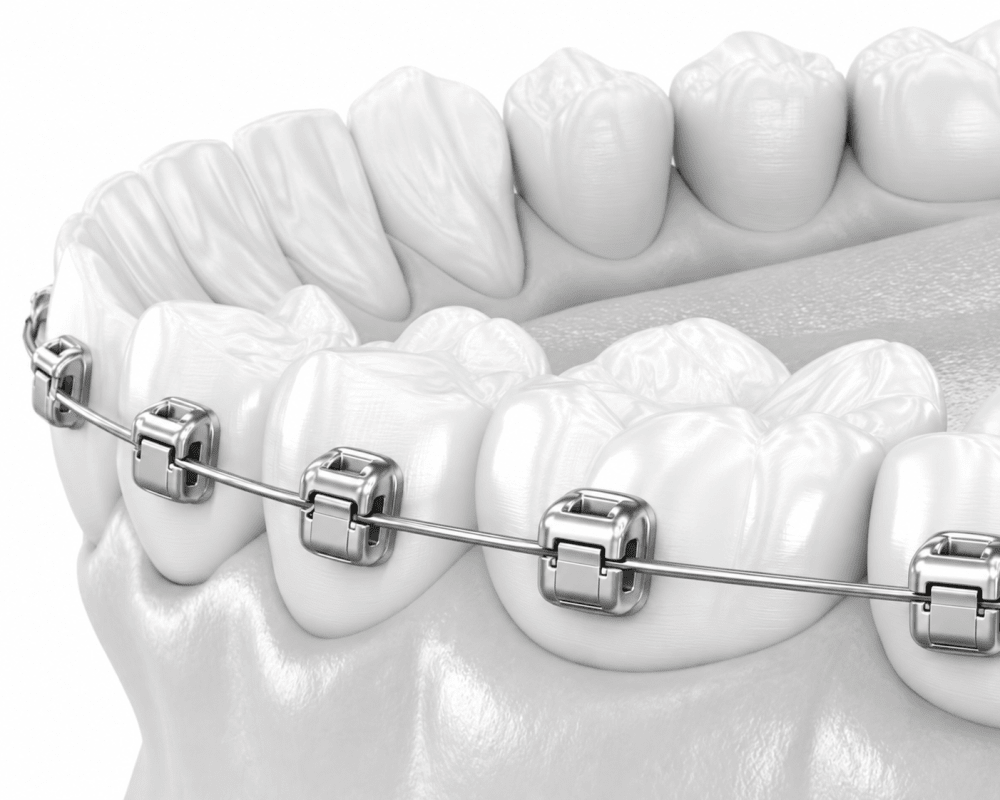
Damon Metal Braces
Damon metal braces use self-ligating brackets with a built-in sliding mechanism to hold the archwire in place, rather than relying on elastic ties. Their streamlined design provides a modern approach to braces while allowing the archwire to guide your teeth gradually into their planned positions.
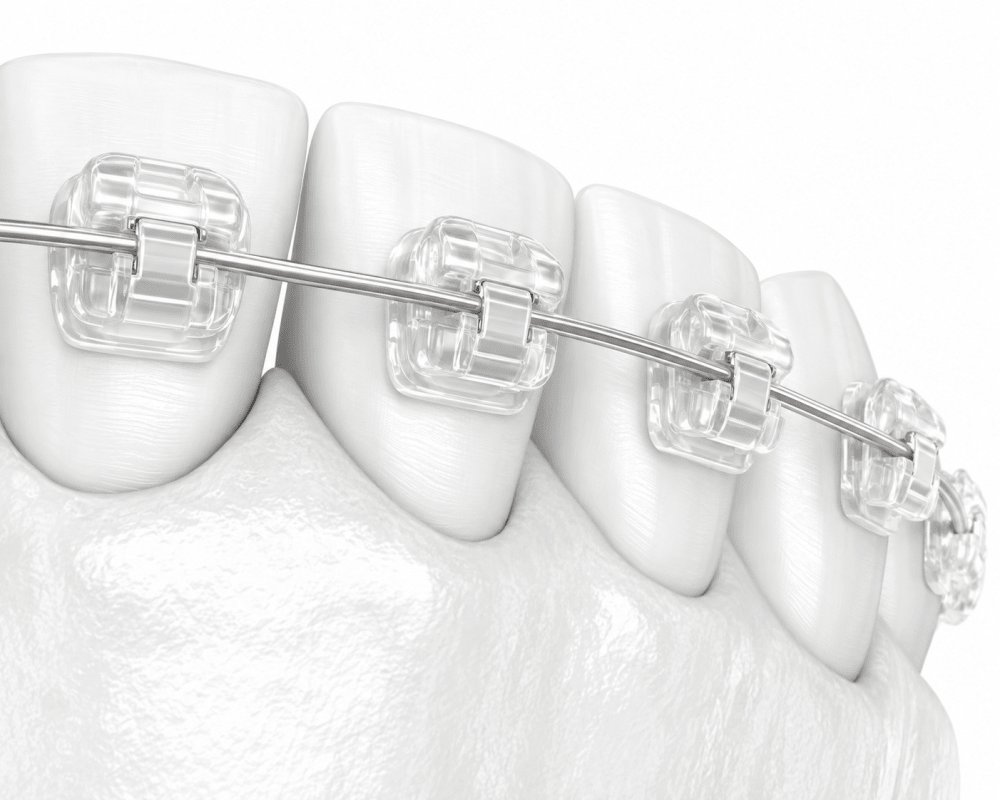
Damon Clear Braces
Damon Clear braces use transparent self-ligating brackets that blend in with the natural color of your teeth for a more discreet appearance. Like Damon metal braces, they use a built-in sliding mechanism to hold the archwire in place and gradually guide your teeth into their planned positions.
Living with Braces
Braces take a bit of getting used to at first, but you'll develop new routines around them in no time. Here are some of the primary elements that will affect your day-to-day life during your braces treatment.
Adjustments
Regular adjustment appointments are an important part of orthodontic treatment with braces. Every four to eight weeks or so, you'll visit our office so we can check your progress and make any necessary adjustments to keep your teeth moving according to your treatment plan.
You may experience some discomfort or sensitivity after an adjustment as your teeth and mouth adapt. This is usually temporary and can often be managed with over-the-counter pain relievers as directed.
Elastics
Elastics, also called rubber bands, may be used to apply additional force in specific directions to help guide tooth and bite movement. If elastics are part of your treatment, wearing them as directed is important for keeping your progress on track.
Because elastics lose their strength over time, they need to be replaced regularly. Your orthodontist will let you know how often to change them and when they should be worn.
Always follow your orthodontist's instructions for wearing your elastics, and contact our office if they break frequently or if a hook or other part of your braces becomes damaged.
Hygiene
Good oral hygiene is especially important when you have braces. Brackets and wires create additional spaces where plaque and food particles can collect, increasing the risk of tooth discoloration, cavities, and gum problems.
To help keep your teeth and gums healthy during treatment, brush thoroughly with fluoride toothpaste and clean carefully around your brackets and wires. An interdental brush, water flosser, or other orthodontic cleaning tool can help you reach areas that may be difficult to clean with a regular toothbrush.
Flossing is also an important part of your routine. Floss threaders or orthodontic flossers can make it easier to clean between your teeth and underneath the archwire.
Eating
Wearing braces requires a few adjustments to what and how you eat to help prevent damage to your brackets and wires.
Avoid sticky or chewy foods such as caramel and licorice, as well as hard or crunchy foods that could damage your braces. Foods you normally bite into, such as apples or corn on the cob, can often be enjoyed by cutting them into smaller, bite-sized pieces first.
Eating carefully and following your orthodontist's recommendations can help protect your braces and keep your treatment progressing as planned.
Mouthguards
Braces don't have to keep you from playing the sports you enjoy. If you participate in sports or other activities where your mouth could be hit, wearing an orthodontic sports mouthguard can help protect your teeth, lips, cheeks, and braces from injury or damage.
Retainers
After active orthodontic treatment is complete, you'll need to wear a retainer to help keep your teeth in their new positions while the surrounding bone and tissues adjust.
Your orthodontist will provide instructions for how and when to wear your retainer. You may initially need to wear it for most of the day before transitioning to nighttime wear as your teeth become more stable.
Following your prescribed retainer schedule is an important part of maintaining your results after braces.
Questions About Braces? We've Got Answers.
If you're considering orthodontic treatment with braces, you likely have some questions. Get started by reading our braces FAQs to learn more about how they work, and their benefits.
-
How much do orthodontic braces cost?
The cost of orthodontic treatment varies depending on factors such as the type and complexity of the orthodontic issue being treated and your individual treatment plan. Your orthodontist will provide a cost estimate before treatment begins.
-
Who is a candidate for braces?
Many children, teens, and adults with healthy teeth and gums may be candidates for braces. However, certain oral health concerns, such as significant gum recession, may need to be addressed before orthodontic treatment can begin.
Braces can be used to treat a wide range of orthodontic concerns, from relatively straightforward tooth movement to more complex alignment and bite and overbite issues. Your orthodontist can assess your smile and determine whether braces are appropriate for your needs.
-
What are my options for low-profile braces?
At Hwang Orthodontics, we offer Damon self-ligating braces in both metal and clear options.
Damon braces use self-ligating brackets with a built-in mechanism to hold the archwire in place rather than elastic ties. Damon Clear braces use transparent brackets that blend more subtly with your teeth for a more discreet appearance. You can learn more about both options under 'Types of Braces'.
Invisalign clear aligners may also be an option for patients looking for a less noticeable approach to orthodontic treatment.
-
How long will I need to wear braces?
Braces treatment typically takes between 18 and 24 months, although treatment time varies from patient to patient. The length of your treatment will depend on factors such as the type and complexity of your orthodontic concerns and how your teeth respond to treatment.
Your orthodontist will provide an estimated treatment timeline based on your individual needs and treatment plan.
-
How long until I get used to my braces?
It can take a week or two to get used to the feeling of braces after they are first placed. Damon braces feature streamlined, self-ligating brackets, but you may still notice the brackets and wires as your mouth adjusts to them.
Your cheeks or lips may also feel irritated where they rub against your braces. Orthodontic wax can be applied to these areas to create a smoother surface and reduce friction. This discomfort is usually temporary and should improve as your mouth becomes accustomed to your braces.
-
Do braces hurt?
You may experience some temporary discomfort at different points during treatment with braces, particularly when your braces are first placed or after adjustment appointments. This is often described as pressure, tenderness, or a mild ache as your teeth begin to move.
Any discomfort typically improves within a few days and can often be managed with over-the-counter pain relievers as directed. Eating softer foods may also help while your teeth are feeling sensitive.
You may also experience some irritation if the brackets or wires rub against the inside of your cheeks or lips. Orthodontic wax can be placed over the area of your braces causing irritation to create a smoother surface while your mouth adjusts.
-
Can adults get braces?
Yes, adults can get braces. Orthodontic treatment can be started at many different ages, and braces can help adults address alignment and bite concerns while improving the function and appearance of their smiles.
At Hwang Orthodontics, adults can choose between Damon metal braces and Damon Clear braces, which use transparent brackets for a more discreet appearance. Invisalign clear aligners may also be an option for adults who prefer removable orthodontic treatment.
-
Can kids get braces?
Yes, children as young as seven may be candidates for braces or other orthodontic treatment in some cases. Early orthodontic evaluations allow us to monitor how the teeth and jaws are developing and identify concerns that may benefit from treatment while your child is still growing.
However, early treatment isn't necessary for every child. We take an individualized approach and recommend early or Phase 1 treatment only when there is a clinical benefit to addressing an orthodontic concern at that stage of development. Otherwise, we may simply monitor your child's growth until the time is right to begin treatment.
-
Do I have to brush more with braces?
Yes. It's important to brush your teeth thoroughly and regularly throughout your braces treatment, especially after meals when possible.
Brackets and wires create additional spaces where food particles and plaque can collect, making good oral hygiene especially important while you're wearing braces. Taking extra care when brushing around your brackets, wires, and gumline can help keep these areas clean.
Maintaining a consistent brushing and flossing routine can help reduce your risk of cavities, tooth discoloration, gum problems, and bad breath during orthodontic treatment.
-
How do I floss with braces?
Flossing with braces can take a little practice, but it becomes easier once you get used to the technique.
To floss around your braces, use a floss threader to guide the floss underneath the archwire and between your teeth. Gently move the floss up and down along the sides of each tooth and below the gumline, then repeat between each pair of teeth.
We provide floss threaders to our patients to help make flossing around braces easier.
-
What can I eat while I'm wearing braces?
Eating with braces requires some extra care, but you can still enjoy many of the foods you normally eat.
Avoid hard, crunchy, sticky, or chewy foods that could damage your brackets or wires. You should also avoid biting directly into foods such as whole apples or corn on the cob. Instead, cut foods into smaller, bite-sized pieces and chew carefully.
With a few simple adjustments to how you prepare and eat certain foods, you can maintain a varied diet while helping protect your braces throughout treatment.
-
Can I still play contact sports if I wear braces?
Yes, you can continue playing most sports while wearing braces. However, it's important to take extra precautions during activities where there is a risk of impact to the face or mouth.
If you participate in contact sports such as football, rugby, or hockey, we recommend wearing an orthodontic mouthguard to help protect your teeth, lips, cheeks, and braces from injury or damage.
For higher-impact activities where direct blows to the face are common, such as boxing, speak with your orthodontist about the appropriate precautions before participating.
-
Braces vs. Invisalign: How do I choose which is best for me?
Braces and Invisalign clear aligners can both be used to treat a range of orthodontic concerns, but they work differently and may be better suited to different treatment needs.
When considering braces or Invisalign, factors such as the type and complexity of your orthodontic concerns, your lifestyle, appearance preferences, and ability to keep up with removable aligners can all play a role. You can learn more about braces and Invisalign here.
Your orthodontist will evaluate your teeth and bite and discuss which treatment options are appropriate for your individual needs.